Most disappointing UGC videos can be traced back to the brief. With pet products the brief has more to do than usual, because it has to cover an animal you can’t direct, rules about what can be said, and a product that often has to arrive days before filming.
Below is how to brief a UGC creator for a pet product: what the brief needs, a template you can copy, a filled-in example, and the mistakes that cause reshoots.
Why pet briefs go wrong
Three things come up again and again:
- The brief scripts the animal. “Dog runs excitedly to the bowl” reads well on paper. If the dog wanders off, the creator either fakes it or sends back something unusable.
- The brief invites claims you can’t use. Asking a creator to “show the difference after two weeks” for a supplement pushes them towards before-and-after health claims that ad platforms and regulators don’t allow.
- The product logistics are missing. Food and treats often need a few days for the pet to get used to them. If the parcel arrives the day before the deadline, you get a rushed, nervous first taste on camera.
How to brief a UGC creator: what to include
1. The product, in plain words
Name, what it is, who it’s for and the one thing that makes someone buy it. Add a link to the product page and the full ingredient list so the creator can check for allergies before feeding anything to their pet.
2. One problem to show
Pick a single everyday moment your customer recognises: the dog that pulls on every walk, the cat that walks away from a full bowl, the muddy paws on the sofa. One problem per video. Two problems make two half-videos.
3. The pet you need
Species, size, age range and temperament. Be specific when it matters (“a senior large breed that finds stairs harder than it used to”) and relaxed when it doesn’t. The more you restrict, the fewer creators can take the job.
4. Where it’s filmed
Real homes and real walks work better than a tidied set, but say what to avoid: other brands in shot, a messy background in the opening frame, unsafe situations for the animal.
5. Must-shows
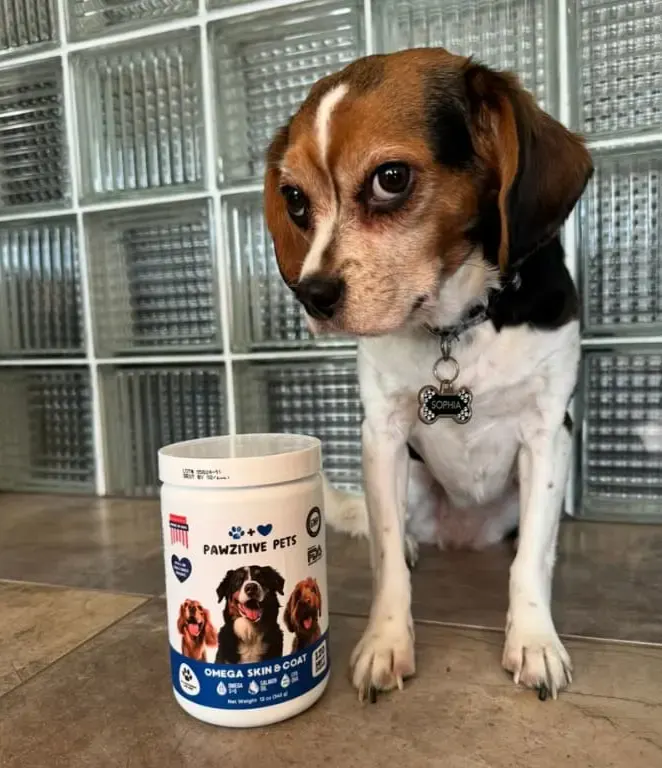
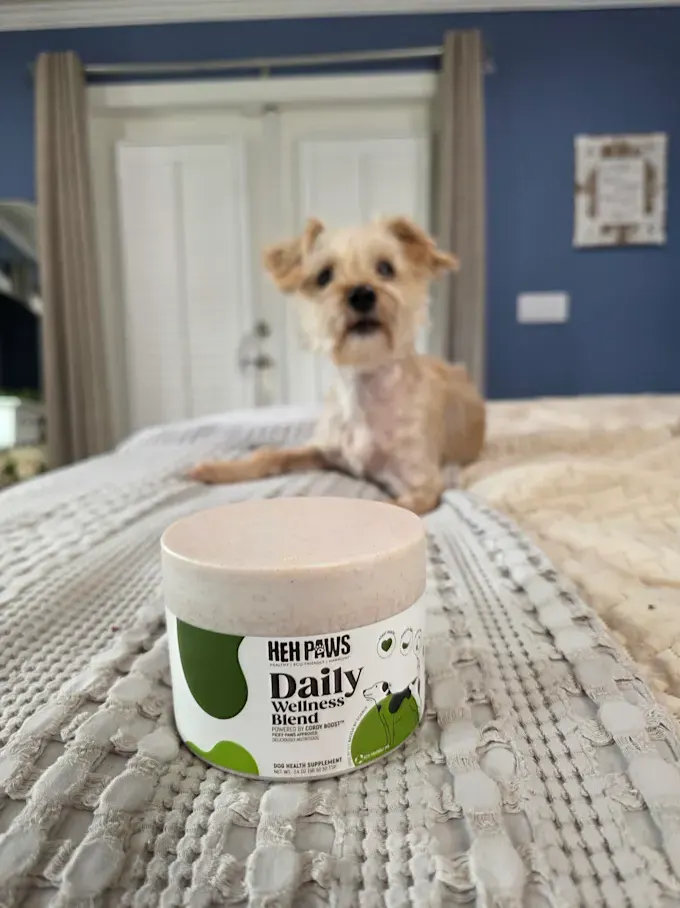
The packaging, front-facing and readable, for at least a couple of seconds. The product in use. Anything specific such as the scoop size, the clip on a harness, or the resealable pouch.
6. What can and can’t be said
List the claims you can support and the words to avoid. In the UK, non-medicinal pet products can only be presented as maintaining health in healthy animals, not as treating or preventing disease (VMD guidance). The ASA also treats testimonials as needing the same evidence as any other claim (ASA). Give creators the safe version of each line, for example “part of his daily routine” instead of “fixed his joints”. You can check a script with our free Pet Ad Claim Checker.
7. Openings to try
The first two or three seconds decide whether anyone watches the rest. Give the creator two or three different openings to film for the same video: a question, a problem moment, a reaction. You can then test them against each other as separate ads.
8. A loose shot list
A list of shots, not a script for the animal. Opening, product reveal, product in use, the pet’s reaction, closing line. Ask for extra B-roll of the pet being itself; it’s often the most useful footage.
9. Deliverables
Format (9:16 vertical for Reels and TikTok), length, whether you want captions burned in or not, whether you need raw files, and how to name and send them. Mention the platform safe zones so nothing important sits under the buttons.
10. Usage and disclosure
How long you can use the video, where, and whether it will run from the creator’s own account as a partnership ad or Spark Ad. If the creator posts it on their own profile, the ASA expects a clear “ad” label at the start of the post (ASA on pet influencers).
Template to copy
Product: name, link, one-line description, ingredient list attached
Problem to show: one everyday moment
Pet: species, size, age range, temperament
Setting: where to film, what to keep out of shot
Must-shows: packaging for 2+ seconds, product in use, specific detail
Allowed lines: claims we can support
Avoid: treat, cure, prevent, heal, fix, any illness name
Openings to film: 1) question 2) problem moment 3) reaction
Shot list: opening, product reveal, in use, reaction, closing line, extra B-roll
Deliverables: 9:16, 20 to 40 seconds, no burned-in captions, raw files
Product arrives: date, units, time to get the pet used to it
Deadline: date
Usage: period, platforms, creator-handle ads yes or no, “ad” label if posted by the creator
A filled-in example
For a joint supplement chew aimed at older dogs, the brief might say:
- Problem to show: the morning routine with an older dog who takes the stairs more slowly than he used to.
- Pet: a large breed aged eight or older, calm with the camera.
- Allowed lines: “part of his morning routine”, “made for older dogs”, “he actually asks for it”.
- Avoid: arthritis, pain, “no more limping”, any before-and-after comparison of how he moves.
- Openings: the dog waiting at the bottom of the stairs; the owner shaking the tub and the dog’s head turning; “my vet asked what we give him in the morning”.
- Product arrives: ten days before filming, so the chew is already part of the routine.
Mistakes that lead to reshoots
- Writing dialogue for the pet, or a script so tight the creator sounds like they’re reading.
- Leaving the claims section empty and fixing it in the edit.
- Asking for “high energy” from a cat.
- Changing the brief after the product has shipped.
- Giving no example of what good looks like. A link to one ad you like saves pages of description.
Before you send it
- Could a creator who has never heard of your brand film this without asking a question?
- Is there one problem, not three?
- Is every allowed line something you could back up?
- Has the creator got enough time with the product before filming?
- Have you agreed usage, payment and revisions in writing?
If you’d rather not write briefs yourself, our packs include the brief, the scripts and the claims check. You can see an example of the ideas we write on our free ideas page.