There is no shortage of people offering pet UGC. Search any creator marketplace and you’ll find hundreds of dog and cat owners ready to film. The hard part is telling, from a profile and a few sample clips, which pet UGC creators will deliver a video you can actually run as an ad.
This guide covers where to look, what to check in a portfolio, how to run a small paid test, and what to agree in writing before any product ships.
Where to find pet UGC creators
Creator marketplaces
Collabstr, Billo, Insense and Influee all let you search by niche, and most have a pets category. You get profiles, sample videos and a payment system in one place. The trade-off is that you write the brief, review the footage and often do the editing yourself.
Freelance sites
Fiverr and Upwork have many pet creators, some very good. Quality varies more, and you’ll need to check usage terms carefully because each seller writes their own.
TikTok and Instagram search
Searching for your product category and looking for owners who already post about their pets often finds natural creators who aren’t on any marketplace. Expect to explain how paid UGC works to some of them.
Your own customers
Customers who already love the product are worth asking, especially for reviews-style videos. They may need more direction on filming, and you’ll need clear written consent for ad use.
A studio
A studio or agency handles finding, briefing and checking creators for you. It costs more per video, and it’s worth it when you don’t have the time to manage several creators at once. We cover the costs in our guide to pet UGC prices.
What to look for in a portfolio
Don’t judge a creator on how good-looking their feed is. Judge them on whether their videos would work as ads. Watch at least three samples with the sound on and check:
- The first two seconds. Does something happen straight away, or does the video start with a slow intro and a wave?
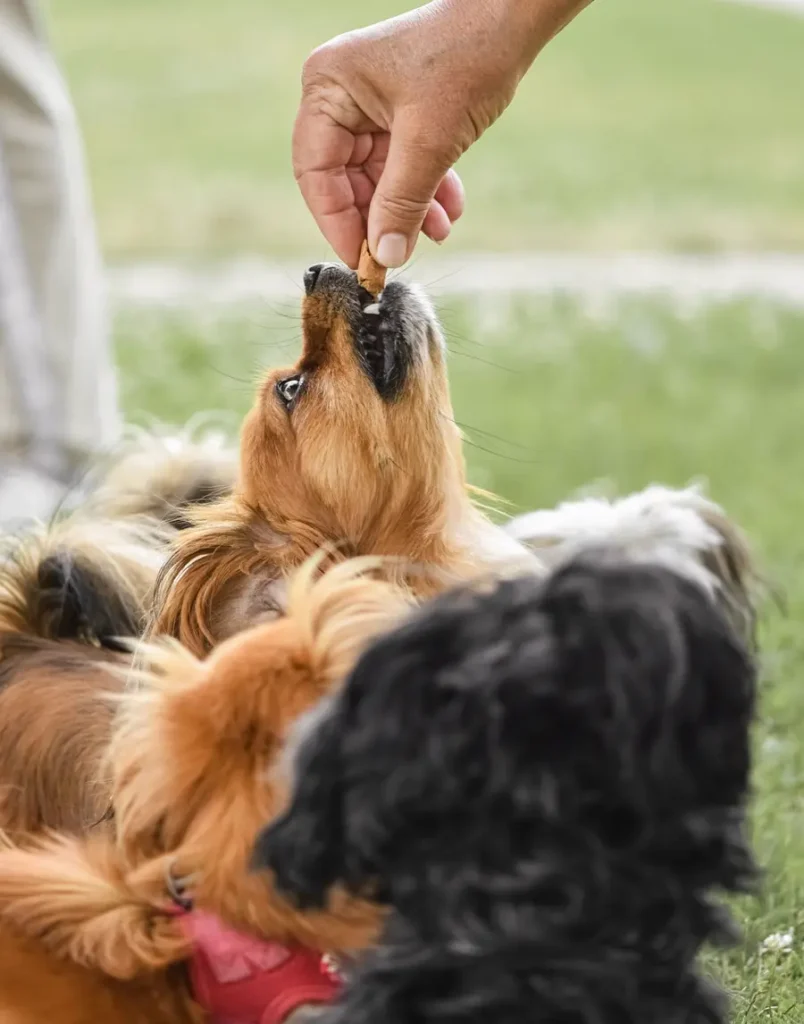
- How the pet behaves around the camera. A relaxed animal that ignores the phone is worth more than a trained trick. Look for natural reactions, not a pet that is being pushed into position.
- Light and sound. Daylight, a clear voice, no echo. Phones are good enough; a dark kitchen isn’t.
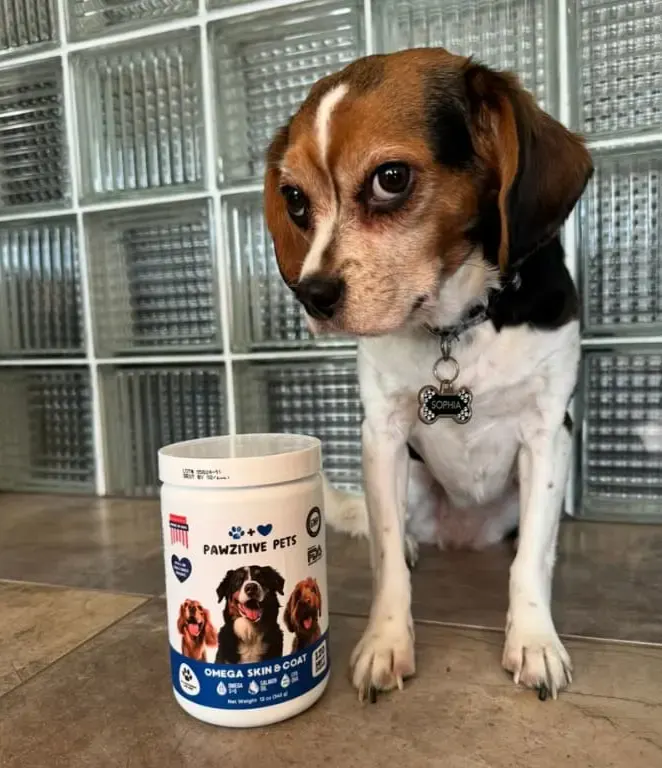
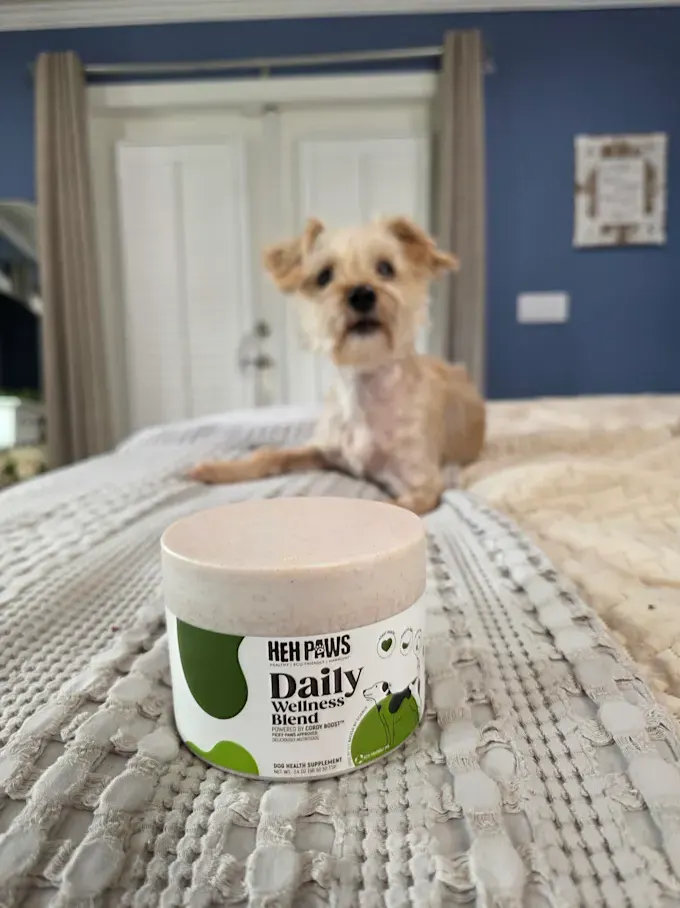
- How they hold and show a product. Is the label readable? Do they use it the way a real customer would?
- Range. Can they do a talking-to-camera video as well as a silent, caption-led one?
- Consistency. Will the same pet be available in three months if a video works and you want more?
Red flags
- Samples that are all the same template with a different product swapped in.
- Health claims in past videos, such as “cured her itching”. It suggests they won’t follow a claims brief.
- An animal that looks stressed, is handled roughly, or is fed things it obviously shouldn’t eat.
- Vague answers about usage rights, or a refusal to put terms in writing.
- A portfolio that’s entirely someone else’s footage. Ask which videos they filmed themselves.
Run a small paid test first
Before committing to a batch, pay two or three shortlisted creators for one short video each, on the same brief. You’ll learn more from the same brief filmed three ways than from any profile. Judge the results on:
- Did they follow the brief, including the words to avoid?
- Did they hit the deadline and answer messages?
- Would you put money behind the video as it is, or does it need a reshoot?
Pay for the test. Unpaid “audition” videos put off the creators you most want to work with.
Agree these terms in writing
- Deliverables: number of videos, length, format, raw files or not.
- Revisions: how many rounds, and what counts as a revision versus a reshoot.
- Usage: organic, paid from your account, and paid from the creator’s handle through Meta partnership ads or TikTok Spark Ads. State the period for each. Spark Ads codes are set for a fixed number of days by the creator (Influencer Marketing Hub).
- Claims: the creator follows the allowed and banned wording in the brief.
- Disclosure: if the creator posts the video themselves, it’s labelled as an ad. The ASA applies the same rules to pet accounts as to any influencer (ASA).
- Payment: amount, when, and how.
- Product: who pays shipping, and whether it’s returned.
Animal welfare is part of vetting
A creator who would force a reaction for the camera is a risk to the animal and to your brand. Make it clear in the brief that the pet’s comfort comes first, that nothing should be fed if the pet has a known allergy to an ingredient, and that a video where the pet loses interest is fine. It’s also more believable to viewers than a staged reaction.
A quick scoring sheet
| Check | Score 1 to 3 |
|---|---|
| Opening grabs attention in two seconds | |
| Pet is relaxed and natural on camera | |
| Light, sound and framing | |
| Product shown clearly and used naturally | |
| Followed the brief and the claims list | |
| Communication and deadlines | |
| Clear about usage terms |
Anyone scoring mostly threes is worth a longer arrangement. Anyone with a one on the claims or welfare rows isn’t, however good the footage looks.
If you’d rather skip the search, our packs come with creators already vetted and matched to your product. See what’s included.